News filter by Electrolytes

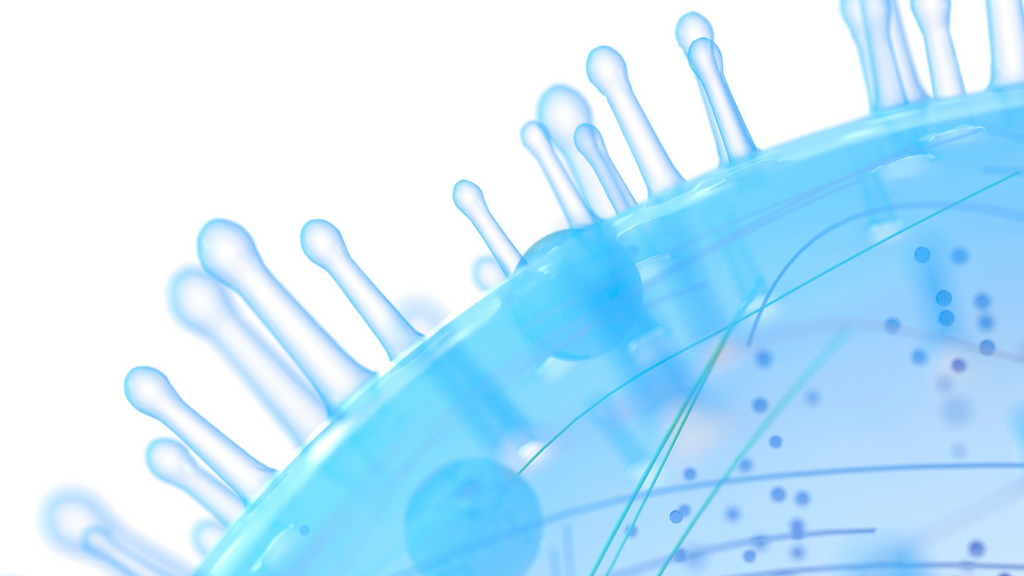
Digital zoom in of a the surface of a mitochondria

Mitochondria and Me

Mitochondria, the “powerhouses of the cell,” are essential for energy, brain health, and longevity. When they malfunction, they contribute to stress, aging, and chronic illness. This blog explores how mitochondria work, what happens when they break down, and practical ways to protect them—through diet, exercise, sleep, fasting, and toxin reduction. By caring for these tiny engines of life, we can boost energy, support resilience, and build a stronger foundation for lifelong health.

A table setting with a clock sitting on the plate

16 Hour Fasting Diet

The science behind intermittent fasting is actually fascinating. Researchers from Stanford University and Johns Hopkins University discovered that the combination of intermittent fasting with a ketogenic diet can have all sorts of benefits for the human body, including fighting migraines, Alzheimer's disease, multiple sclerosis and even some forms of cancer.
Low-Sodium Might Not Mean Low Blood Pressure

Low Sodium vs. Low Blood Pressure

Current guidelines recommend limiting sodium intake to 2,300 milligrams a day for healthy people—with the FDA intent on lowering it further. However, during the study it was found that healthy adults consuming less than 2,500 milligrams of sodium a day had higher blood pressure than participants who consumed higher amounts of sodium.
by Health By Principle Staff on September 03, 2025  in Blood Pressure, Electrolytes, Experimental Biology, Migraine, Nutrition, Sodium, Yes on Sodium
Shopping at the grocery store, looking for high quality food without breaking the bank

How the Food Environment Affects Your Food Choices

The environment around you can affect the food choices that you make in your life. It's important to be aware of your options and choose what works best for you.
Can Electrolyte Imbalance Cause Urinary Infrequency?

Can Electrolyte Imbalance Cause Urinary Infrequency?

Electrolytes like sodium, potassium, and magnesium are vital for hydration, muscle function, and waste removal—and imbalances can directly affect how often you urinate. Too much of certain minerals can trigger increased urination, while frequent urination from diuretics (like caffeine or alcohol) or illness can deplete electrolytes and cause dehydration.

To restore balance, the blog highlights using supplements, choosing low-sugar electrolyte drinks, trying unique sources like pickle juice, and eating electrolyte-rich foods such as leafy greens, nuts, and avocados. These strategies help maintain hydration, prevent imbalances, and keep your body functioning at its best.

by Health By Principle on August 29, 2025  in electrolyte, electrolyte homeostasis, Electrolytes, electrolytes and hangovers
hydrating first thing in the morning to replenish the fluids your body loses after a night of sleeping

The Body and Dehydration: Symptoms and Solutions

Our bodies are mostly water, and need consistent hydration to be at their best! What are the signs of dehydration and how do we avoid it? 

Blog

Tags

    Subscribe to Our Newsletter!

    By entering your email, you agree to our Terms of Service and Privacy Policy.

    BACK TO TOP