


Shopping Cart
Total:
$0.00

Many migraineurs notice it years before they understand it, an intense, specific pull toward salt, sugar, or chocolate before an attack begins. It is easy to assume the food caused the migraine. But in most cases the attack was already underway, and the craving was the first signal. And if you have ever wondered why the "Coke and fries hack" went viral, this blog explains the accidental physiology behind why it works for some people, and what to do instead.

Collagen is the most abundant protein in the body, and one of the first to decline with age. But choosing the right collagen protein powder or multi collagen peptides is only half the equation. How you take it matters just as much: collagen absorbed on an empty stomach with vitamin C reaches target tissues far more effectively than the same product taken with dairy, magnesium, or food. This blog covers the clinically supported peptide forms worth looking for, what blocks absorption at the cellular level, how long it actually takes to see results, and what migraineurs specifically need to know before adding collagen to their routine.

Most people think about hydration as something to catch up on after a workout. The research says the opposite, pre-workout is the more critical window, and arriving at exercise already electrolyte-sufficient changes how your body performs and recovers. For migraineurs, the stakes are higher: exercise accelerates sodium loss through multiple pathways simultaneously, and the drop in extracellular sodium that follows a poorly hydrated workout can push the nervous system toward its threshold.
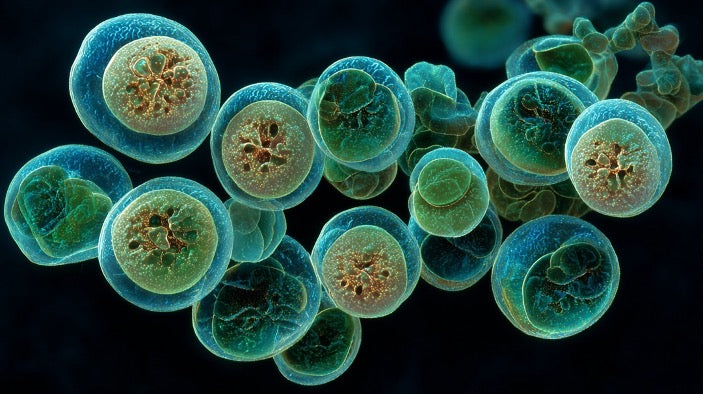
The 2026 Cyclospora outbreak, linked to recalled iceberg lettuce and confirmed in over 10,000 Americans, has put a little-known parasite into the national spotlight. Cyclospora cayetanensis infects the small intestine and causes weeks of watery diarrhea, cramping, fatigue, and weight loss that can relapse even after partial recovery. It requires a specific prescription antibiotic to clear, will not show up on a standard stool test without a specific request, and leaves the gut depleted long after the infection is technically resolved. This blog covers how to recognize it, how to get the right diagnosis, how to treat it, and what recovery actually requires, including what the gut and nervous system need in the weeks that follow.
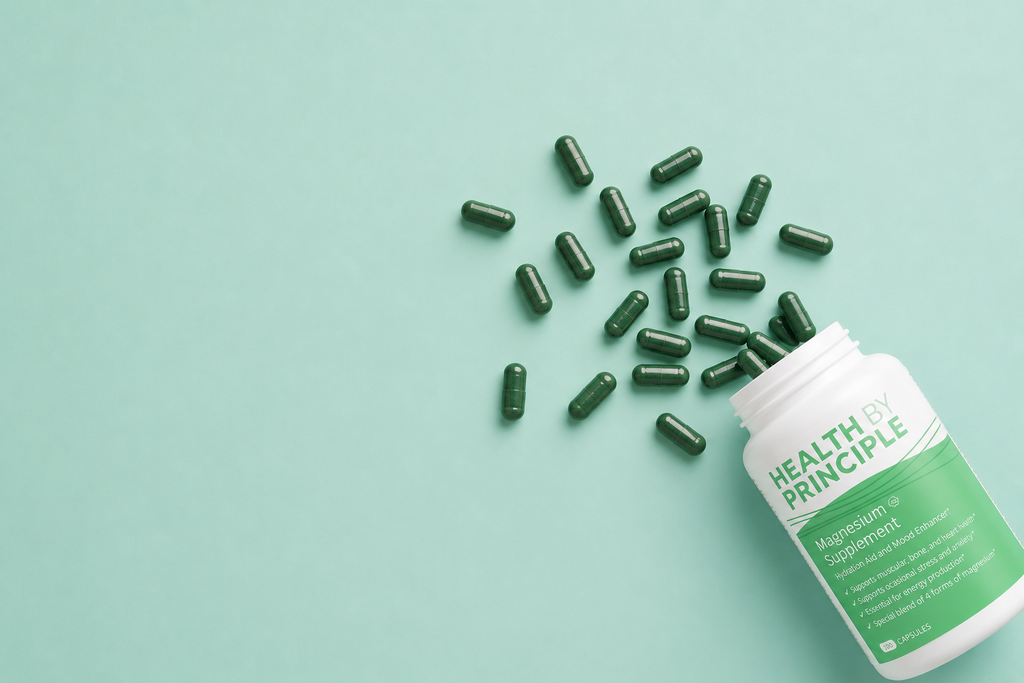
If you have ever noticed magnesium stearate or silicon dioxide on a supplement label and wondered whether they belong there, you are asking the right question, but the answer is more nuanced than most supplement marketing suggests. This blog breaks down what each common excipient actually does, why it is needed, and what the label ingredients worth avoiding actually look like.
By entering your email, you agree to our Terms of Service and Privacy Policy.

