


Shopping Cart
Total:
$0.00

Some of the most widely promoted healthy habits, cutting sodium, drinking more water, intermittent fasting, can quietly work against the migraine brain rather than supporting it. Low sodium diets have been shown across 23 clinical trials to worsen insulin resistance. Plain water without electrolytes dilutes the very sodium the nervous system depends on. And headache while fasting is not a detox response, it is an electrolyte depletion signal. This blog breaks down the physiology behind all three, and what consistent electrolyte support actually looks like for a nervous system that does not respond to generic wellness advice the way an average brain does.

Noticed worse migraines after COVID? Research shows a clear link between long COVID, neuroinflammation, and migraine activity, plus how to support recovery.
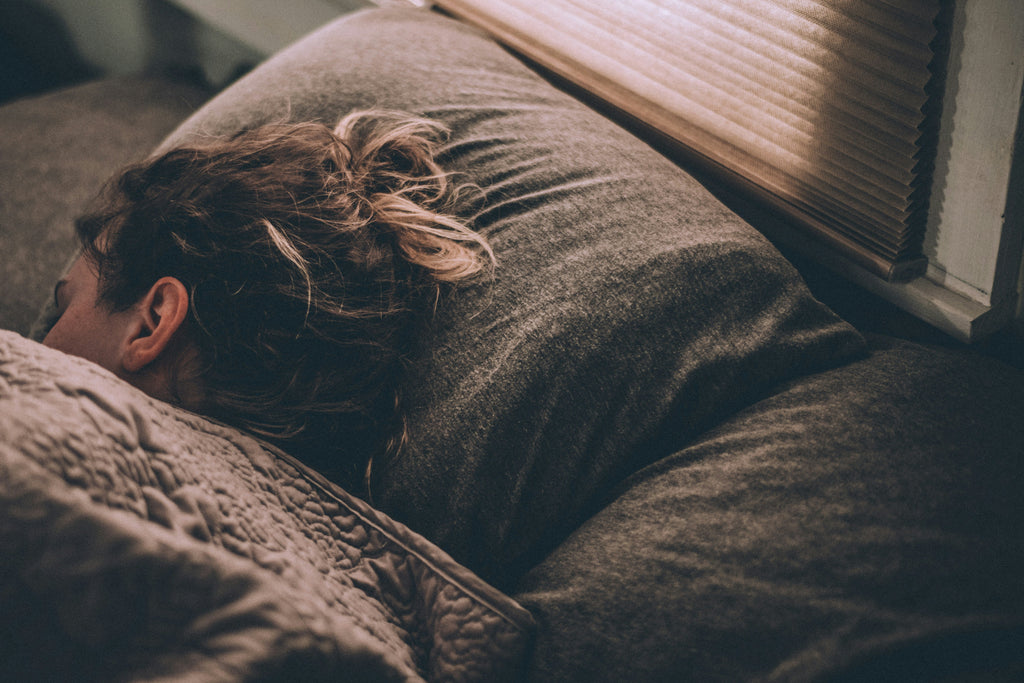
Lying awake at 2 a.m. is one of the most frustrating experiences there is and the harder you try to fall asleep, the more elusive it feels. Insomnia rarely has one single cause, but the fix doesn't have to be complicated. From the military method to a simple 10-second mental reset, this guide covers proven techniques that calm your nervous system enough to actually let go. And if "can't sleep" nights tend to cluster during your most stressful stretches, that's not a coincidence, there's a mineral story behind it too.
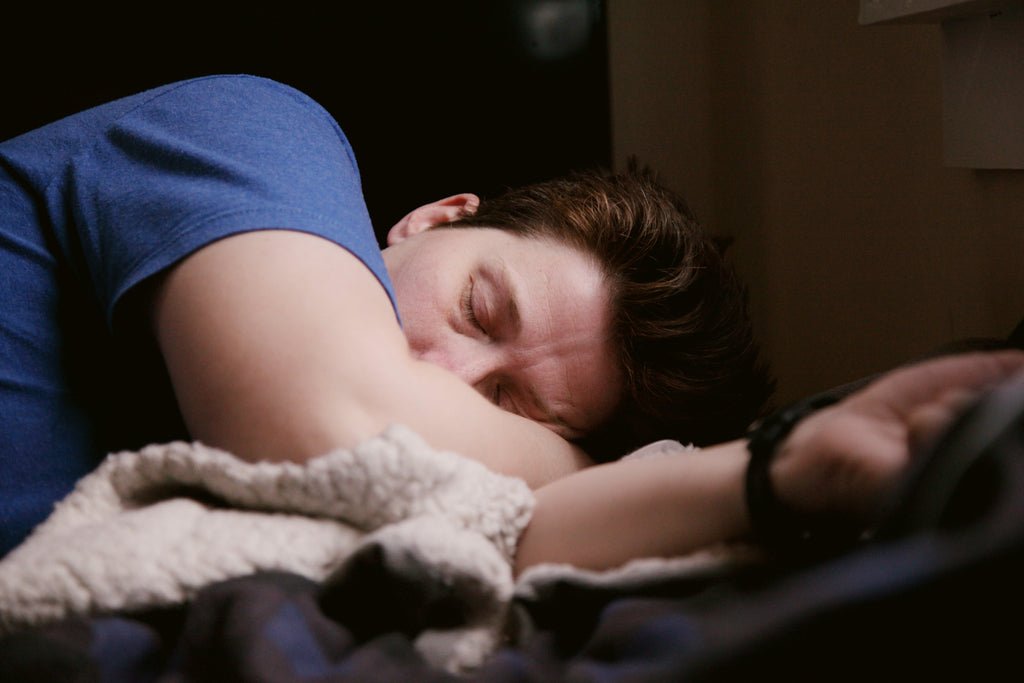
Sleep trackers are genuinely good at telling whether you're asleep or awake, correctly identifying sleep epochs more than 90% of the time. Where they struggle is sleep stages, since wearables don't measure brain waves the way an in-lab sleep study does. This guide breaks down what your tracker can and can't tell you about deep sleep, which devices test most accurately against lab-grade monitoring, the risks of obsessing over your sleep score.

If you wake up tired, restless, or unrested even after a full night's sleep, position might be part of the problem, and it's one of the quieter pieces most people overlook. Side sleeping supports breathing and digestion, back sleeping works against you if you snore, and stomach sleeping offers the fewest benefits of the three. Add a sleep mask to block out light, and you've covered two of the biggest external factors working against good rest. But there's a third piece, what your nervous system actually needs internally to power down, and that's where the story doesn't end with your sleep setup.
By entering your email, you agree to our Terms of Service and Privacy Policy.

